
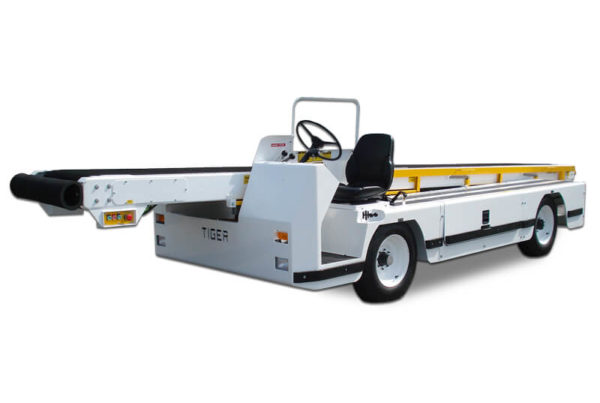
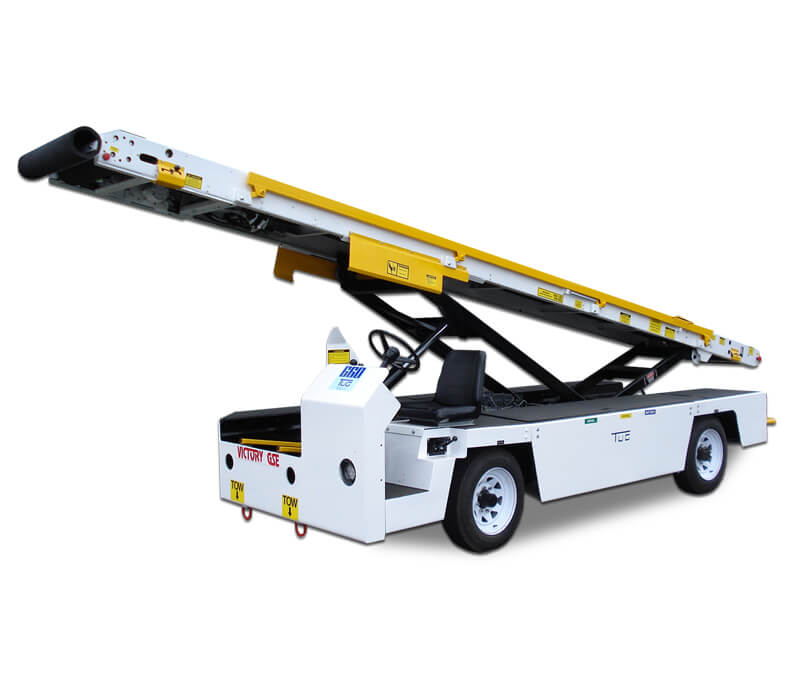
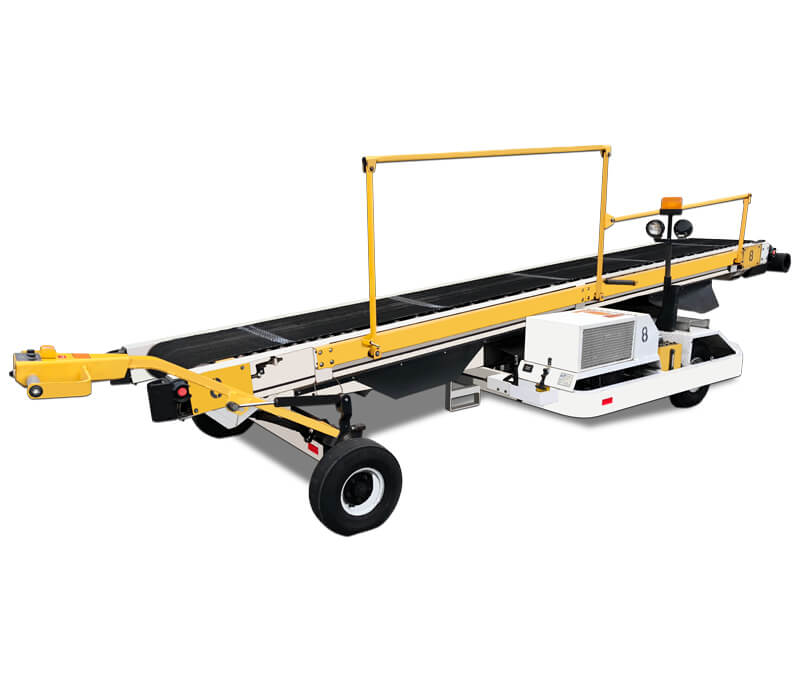
A belt loader is a vehicle with a powered conveyor that moves bags and loose cargo between the ramp and an aircraft’s hold. Victory GSE sells and leases used belt loaders from brands such as TUG, Tiger and Wasp, including electric and diesel options. Every unit shown below is in stock in Los Angeles. Request a quote for pricing and lease terms.
What Is an Aircraft Belt Loader?
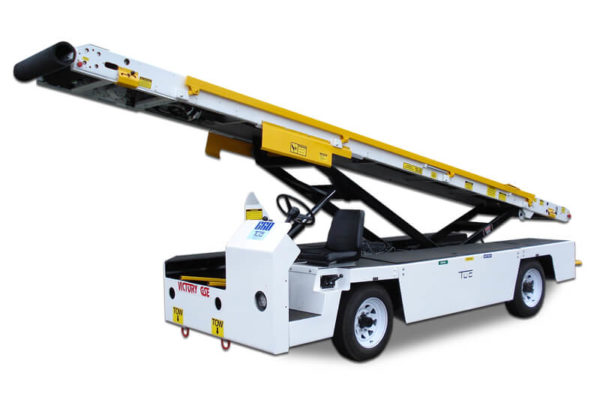
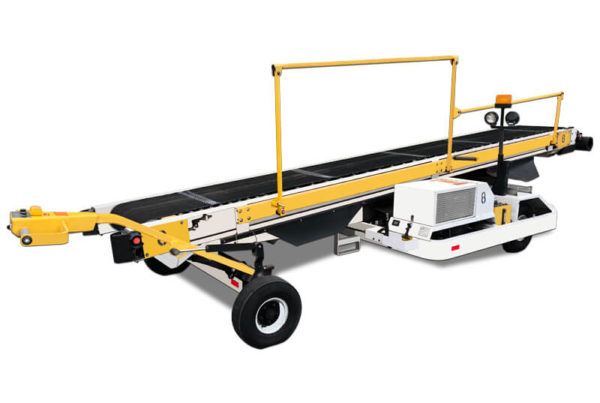
An aircraft belt loader is a self-propelled or walk-behind vehicle with an adjustable conveyor belt used to transfer bulk baggage and loose cargo between the ramp and an aircraft's cargo hold. The conveyor adjusts in height to match the cargo door sill of the aircraft being serviced, eliminating manual lifting and reducing turnaround times on narrow-body and wide-body operations.
Belt loaders are one of the most widely deployed pieces of ground support equipment at commercial airports. They are essential for bulk loading operations, which refers to baggage placed directly inside the aircraft hold without containers or ULD systems. Most narrow-body aircraft including the Boeing 737 and Airbus A320 use bulk loading exclusively, making the belt loader a critical purchase for any ground handler, FBO, or regional carrier.
Used Belt Loaders for Sale at Victory GSE
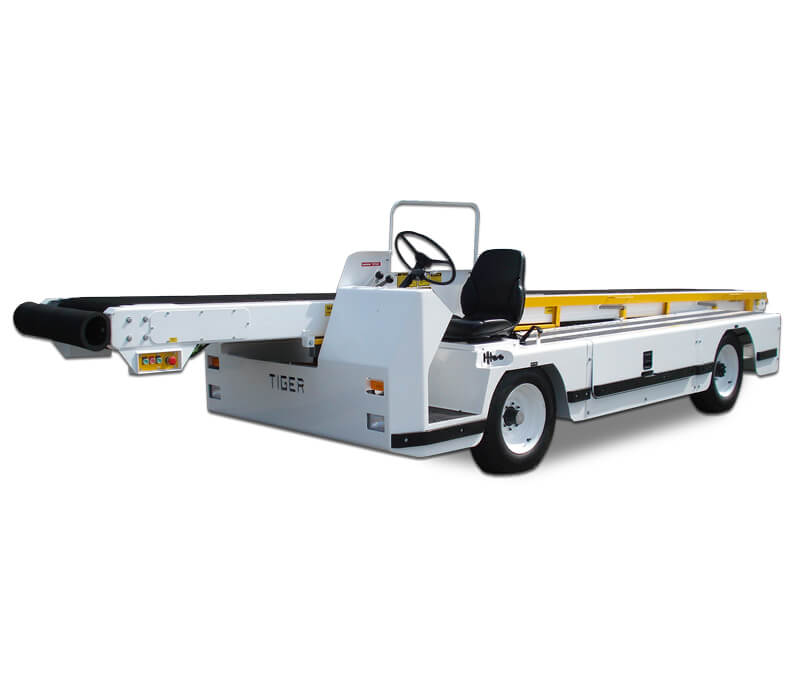
Victory Ground Support Equipment stocks reconditioned and Zero Time used belt loaders from three proven OEM platforms: TUG, Tiger, and Wasp. Each unit is inspected, refurbished, and prepared to customer specification before delivery. Engine, hydraulic, and conveyor systems are serviced or rebuilt as required, and units are repainted prior to shipment. We ship worldwide and support buy, sell, rent, and trade transactions.
Diesel, Electric, and Gasoline Belt Loaders
Belt loaders are available in three primary power configurations. Each has operational trade-offs that buyers should weigh against their ramp environment, emissions requirements, and budget.
- Diesel belt loaders deliver the highest torque and longest service intervals, making them the default choice for high-cycle wide-body operations and outdoor ramps in all climates. Diesel units typically command higher used resale values.
- Gasoline belt loaders have lower upfront cost and simpler maintenance. Kubota and Kohler gasoline engines (used in the TUG 660 and Wasp A206091D) meet CARB requirements for operations in California and other emissions-restricted regions.
- Electric belt loaders produce zero ramp emissions, run quietly, and have lower fuel and maintenance costs. They are increasingly required at airports with sustainability targets or emissions caps. Trade-offs include battery replacement cost and the need for charging infrastructure.
Narrow-Body vs. Wide-Body Belt Loader Selection
The single most important specification when selecting a belt loader is maximum door sill height capability. This determines which aircraft the unit can service.
- Regional jets (Embraer E175, Bombardier CRJ): door sill heights of approximately 70 to 90 inches. Walk-behind and intermediate self-propelled loaders are sufficient.
- Narrow-body aircraft (Boeing 737, Airbus A320): door sill heights of approximately 100 to 120 inches. Standard self-propelled loaders with reach to 130 inches handle these aircraft.
- Wide-body aircraft (Boeing 777, Airbus A330/A350, Boeing 747): upper deck and forward cargo doors reach 168 to 172 inches. Wide-body operations require loaders rated to at least 170 inches, such as the TUG 660.
Operators servicing mixed fleets generally specify a wide-body-capable loader as the baseline, since it covers all smaller aircraft. Operators on dedicated regional or narrow-body operations can reduce capital cost by selecting a unit rated to the maximum sill height they will encounter. Reference IATA Ground Operations documentation for door sill specifications by aircraft type.
Why Buy a Used Belt Loader from Victory GSE
Victory GSE has supplied used and refurbished ground support equipment to airlines, ground handlers, FBOs, and military operators since 1998. Every belt loader leaves our facility inspected, serviced, and repainted, with refurbishment scope documented for the buyer. We support OEM platforms including TUG Technologies, Tiger, Wasp, NMC-Wollard, and Charlatte, and we ship worldwide via flat-rack, container, or roll-on/roll-off.
Operators evaluating a used belt loader purchase should specify the maximum door sill height required for their fleet, the preferred fuel type for their emissions environment, and whether a self-propelled or walk-behind configuration fits their ramp footprint. Contact Victory GSE for current inventory, refurbishment quotes, and shipping options.
Belt Loaders and Ramp Safety
Belt loaders work right against the fuselage, so careful positioning matters. IATA found that belt loaders, cargo loaders, passenger stairs and boarding bridges cause 40% of total ground damage incidents (IATA, 2022). Moving 75% of that equipment to enhanced GSE with anti-collision features would cut the expected damage cost per turn by 42%, IATA estimates (IATA, 2022). Textron still builds the TUG 660 belt loader in gas, diesel and lithium versions (Textron GSE, 2026).
Belt Loader FAQ
What is a belt loader used for?
A belt loader moves bags and loose cargo between the ramp and an aircraft’s bulk cargo hold on a powered conveyor. Ramp crews use it on most turns that load baggage by hand.
Do you have electric belt loaders?
Yes. Victory GSE offers belt loaders in electric and diesel options, along with gasoline units. Check the listings above for current models, or request a quote for the power type you need.
How do I know if a belt loader fits my aircraft?
Compare the conveyor’s maximum reach with the cargo door sill height of each aircraft type. Our narrow-body vs. wide-body section above lists typical sill heights.
Do you lease belt loaders?
Yes. Victory GSE offers used belt loaders for sale or lease. Call (323) 581-7272 or send a quote request.